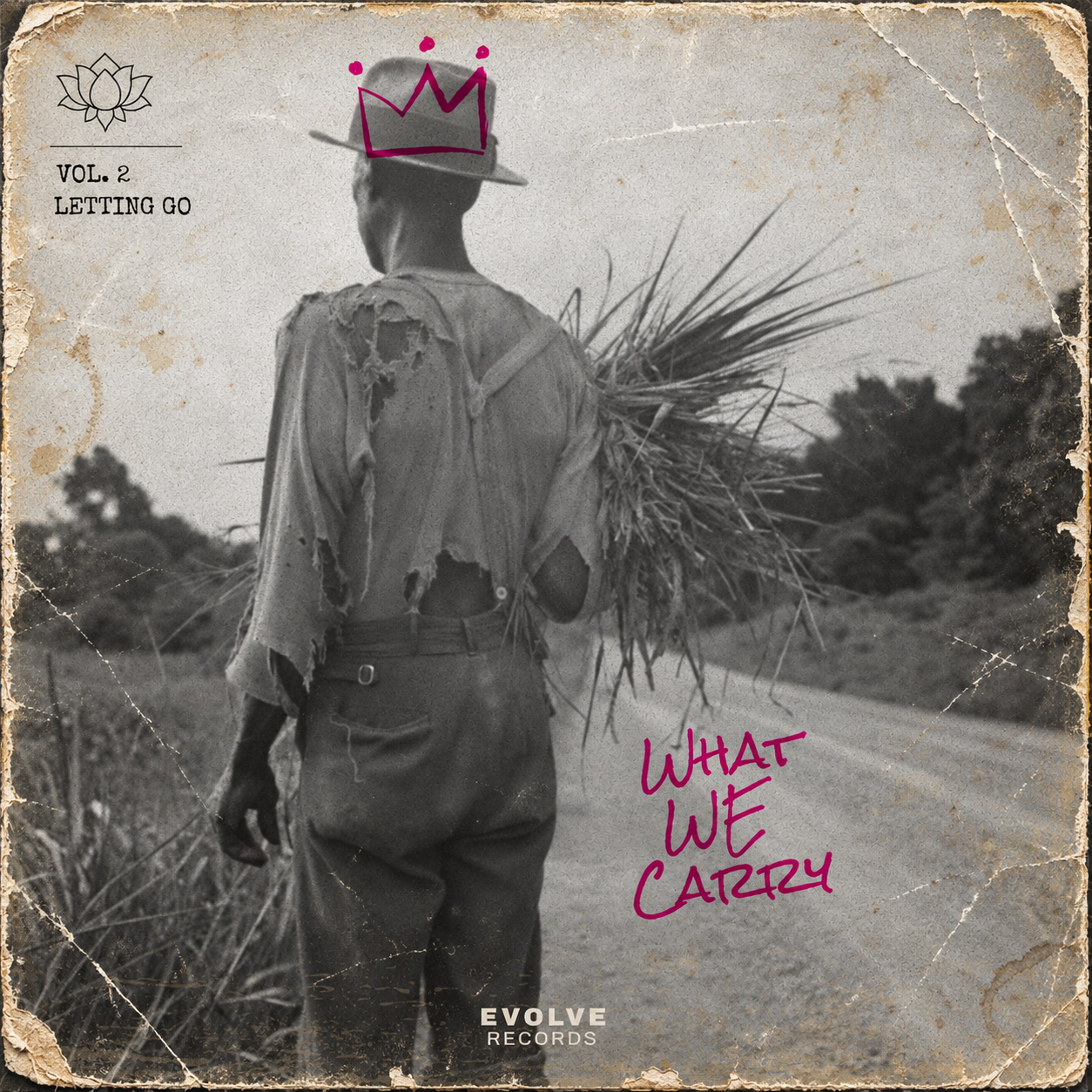
You May Be Experiencing
Who Can Benefit From Therapy?
Therapy may be helpful if grief is affecting your sleep, relationships, work, concentration, or ability to move through everyday life.
Loss can take many forms. You may be grieving the death of someone you love, the end of a relationship, a change in health, a job, a role, or a version of life you expected to have. There is no required timeline for grief, and you do not have to wait until you feel completely overwhelmed to ask for support. Grief doesn’t always hit right away. Sometimes it is a random Wednesday and all of the sudden you are crying in the dairy isle at the grocery store.
Grief Does Not Follow
a straight Line
Grief Does Not Follow a straight Line
Grief can be unpredictable. One day you may feel like you are managing, and the next a memory, song, place, anniversary, or ordinary moment can bring everything rushing back.
There is no “right” way to grieve. Some people cry often. Others feel numb. You may feel sadness, anger, relief, guilt, confusion, or all of those emotions at different times. You may even wonder whether the way you are grieving is normal. Normal for me might not be normal for you. We are all different and experience and react to life differently.
Loss can also affect more than your emotions. It can make it harder to sleep, concentrate, make decisions, connect with other people, or keep up with everyday responsibilities. Even simple things can suddenly require more energy than they used to. Was it always this hard to make decisions?
Therapy for grief and loss can give you a place to talk openly about what has changed without feeling rushed, judged, or expected to be somewhere you are not.
Am I Grieving More Than One Thing?
Grief is not limited to death.
You may be grieving the end of a relationship, a friendship, a career, your health, your independence, a family dynamic, or a future you thought you were going to have.
Sometimes the loss is clear. Other times, you may only know that life feels different and you are having a harder time adjusting than you expected. Each relationship or situation can alter the way you grieve.
Major life transitions can bring grief even when the change was necessary or chosen. You can know that something needed to end and still mourn what it meant to you. Even “good changes” can bring about sadness or anxiety.
Therapy can help you name what has been lost, understand why it matters, and make room for both grief and whatever comes next.
Moving Forward Does Not Mean Forgetting
One of the hardest parts of grief can be the fear that feeling better somehow means letting go of the person, relationship, or life you lost.
It does not.
Healing does not require you to stop remembering or stop caring. It can mean learning how to carry the loss differently so that it no longer takes up every part of your day.
Over time, grief may become less consuming. You may begin to laugh without guilt, make plans again, reconnect with people, or notice moments of peace.
Moving forward is not the same as leaving the past behind. It is finding a way to keep living while honoring what mattered. At the end of the day we all need to keep on keepin’ on.