You May Be Experiencing
Who Can Benefit From Therapy?
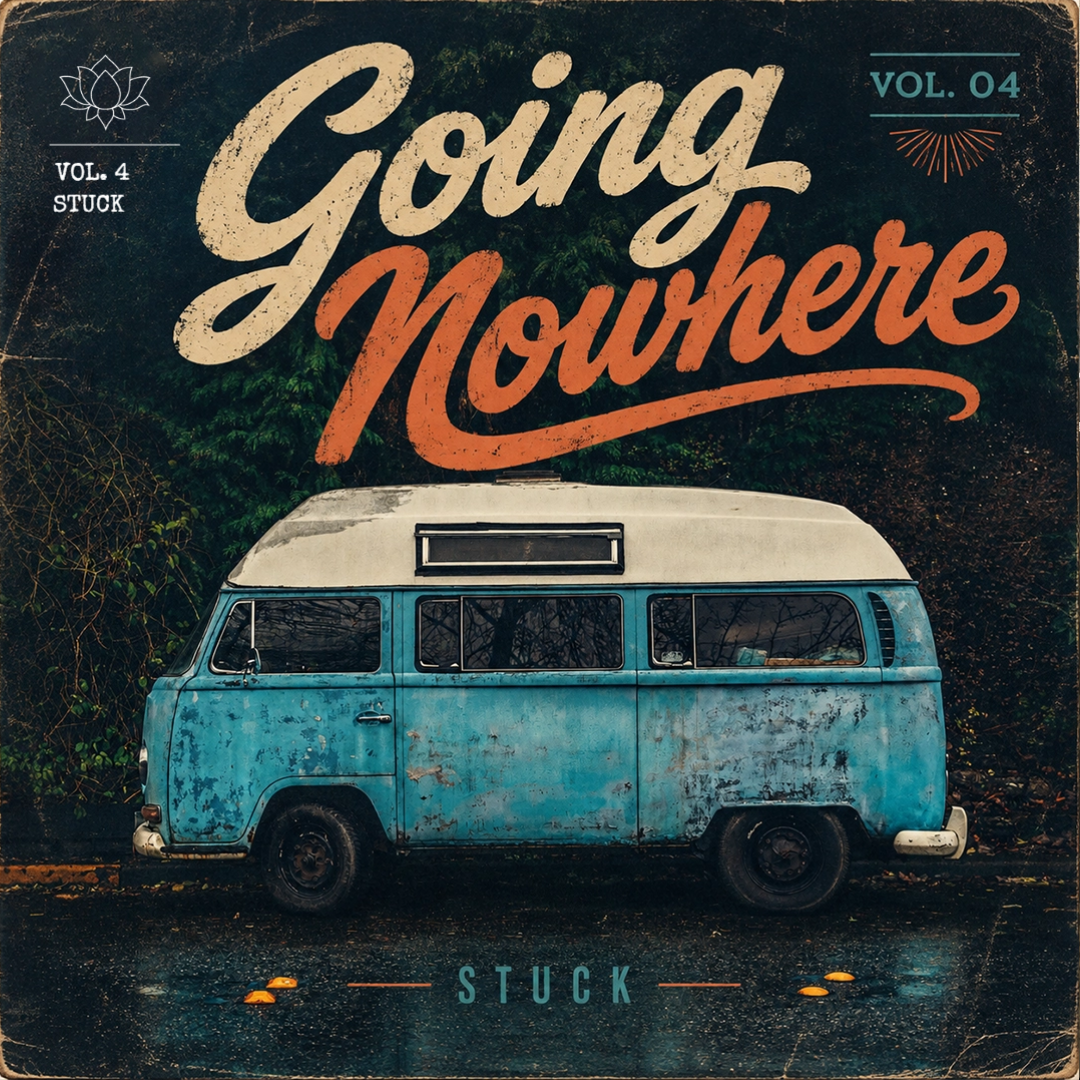
Therapy may be helpful if depression, low motivation, or feeling stuck is affecting your relationships, work, sleep, energy, or ability to enjoy everyday life. Sometimes feeling stuck is obvious. Other times, it can look like functioning on the outside while feeling disconnected, exhausted, or unsure of what you want on the inside.
When Feeling Stuck Starts to
Feel Like Your Normal
When Feeling Stuck Starts to Feel Like Your Normal
Depression does not always look like sadness. Sometimes it looks like exhaustion. Irritability. Canceling plans. Losing interest in things you used to enjoy. Struggling to make even simple decisions. Or moving through your days doing what needs to be done while feeling strangely disconnected from your own life.
You may know you feel stuck, but not understand why. Or you may not think of yourself as stuck at all. You may simply know that you are tired, unmotivated, overwhelmed, or not feeling like yourself.
Depression can develop gradually, which can make it hard to recognize. You adapt. You lower your expectations. You stop doing certain things because they feel like too much effort. Eventually, a smaller life can start to feel normal. You may even forget what used to bring you joy and not notice that you haven’t been happy in a long time.
Therapy for depression can help you understand what is happening beneath the surface and identify the patterns, pressures, losses, or life changes that may be keeping you in place. The goal is not to force yourself to “think positive” or suddenly become more productive. It is to understand what is weighing you down and begin making changes that feel realistic. Life is not always going to be great. When you are depressed the goal is not feeling “great” or “happy” everyday. In the beginning you may aim for feeling content and just straight up not crappy.
Why Do I Feel Stuck?
Feeling stuck can happen for many reasons. Sometimes it follows a major loss, relationship change, career shift, health concern, or difficult season of life. Other times there is no single event you can point to.
You may feel caught between where you are and where you thought you would be. You may know something needs to change but feel too overwhelmed to decide what. Or you may have spent so much time taking care of everyone else that you have lost track of what you need.
Depression can also create its own cycle. Low energy makes it harder to do things that might help you feel better. Avoiding those things can increase isolation, guilt, and hopelessness, which can make it even harder to take the next step.
Understanding that cycle can be an important part of therapy. Instead of asking, “What is wrong with me?” you can begin asking, “What is keeping me here? Or “Who Am I Now?”
Getting Unstuck Does Not Have
to Mean Changing Everything
When you are depressed, even small changes can feel enormous. Therapy can help you break things down into manageable steps. If washing one dish is the all you can do that’s still something more than you did yesterday.
That may mean rebuilding routines, reconnecting with people, setting boundaries, working through grief, making a difficult decision, or simply learning how to notice what gives you energy and what drains it.
Progress does not always look dramatic. Sometimes it starts with sleeping a little better, answering a text instead of ignoring it, going somewhere you have been avoiding, or realizing you are looking forward to something again.
Those small shifts matter. They are signs that your life is beginning to feel like yours again.