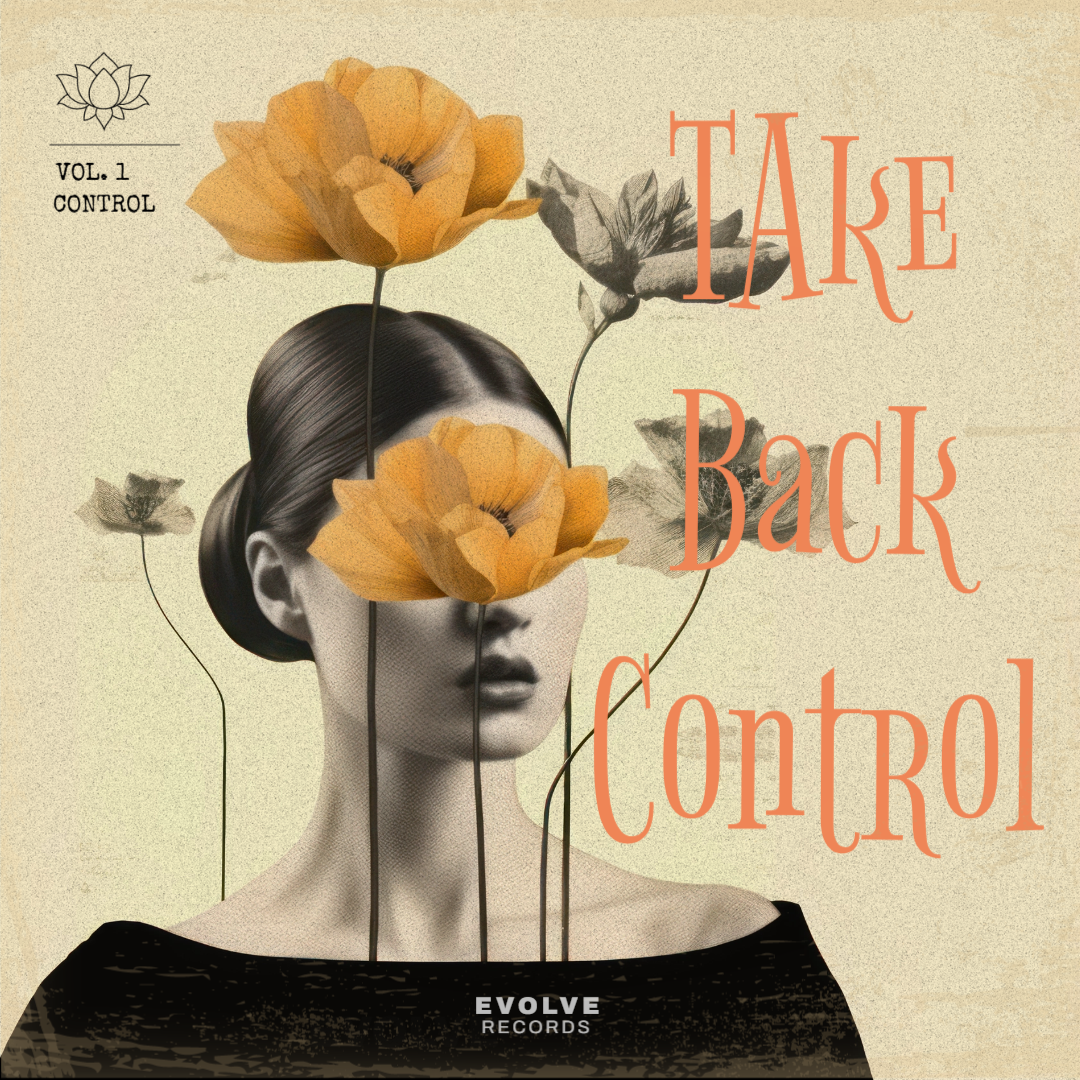
You May Be Experiencing
- Constant worry
- Racing thoughts
- Replaying conversations
- Trouble switching off
- Difficulty making decisions
- Feeling like something is always about to go wrong
Who Can Benefit From Therapy?
Therapy may be helpful if anxiety or overthinking is affecting your sleep, relationships, work, decision-making, or ability to feel present. You do not have to be in crisis to benefit from support. Therapy can help you “take the needle off the record) and move from one track to the next.
When Thinking Turns
into Overthinking
When Thinking Turns into Overthinking
It’s normal to have thoughts – you need them to plan, problem-solve, and protect yourself. But when your mind gets stuck in “what ifs,” “should haves,” and endless scenarios, it can leave you feeling drained, indecisive, and never quite at ease.
Anxiety and overthinking often feed each other. The more you try to figure everything out, the louder the noise gets.
Therapy can help you understand your patterns, calm your nervous system, and build practical tools that actually work in real life – so you can spend less time in your head and more time living. Just remember “it is what it is until it ain’t anymore”. Let’s work together to create new processes.
Why Overthinking Feels
Hard to Stop
Why Overthinking Feels Hard to Stop
Overthinking often starts as an attempt to feel more prepared or more in control. You may replay a conversation to make sure you didn’t say the wrong thing, run through every possible outcome before making a decision, or lie awake trying to solve tomorrow’s problems before tomorrow arrives. Truth is you can’t change what hasn’t happened.
The trouble is that more thinking doesn’t always create more certainty. Sometimes it simply gives anxiety more material to work with. What begins as problem-solving can turn into a cycle of worry, second-guessing, and mental exhaustion.
Therapy can help you recognize when useful reflection has crossed into rumination, understand what keeps the cycle going, and develop ways to respond differently. The goal isn’t to stop thinking — it’s to make more room for calm, confidence, and the life happening outside your head.